



Photos via Instagram @ quirkyquad_ali

The definition of “in sickness and in health” in marriage vows needs to be considered more thoughtfully when one partner is disabled. The truth of it is not everyone is mentally equipped to handle all that comes with a disability for the long haul. As a C6 quad for nearly 10 years, my secret formula for navigating my first year of marriage boiled down to the 3C’s — Compromise, Communication, and Compassion.
My husband, Aaron Watkins, and I met while I was undergoing surgery for a stage IV pressure sore. For the first six months of our relationship, I was healing in bed and we were only able to enjoy each other’s conversation. I took the better part of that time to introduce him to the physical aspects of my care, which allowed us to solidify our bond to one another prior to moving forward in our relationship. In short, we built emotional intimacy and a strong connection before sex even played a role in our relationship.
This is where the 3 C’s really come into play for us.
1. Compromise
Before I jump into how the Compromise portion of the 3 C’s guide us through our marriage, it’s important I explain what role Aaron plays in my day-to-day care. While I appreciate that some people arrange for their spouse to be their full-time caregiver for a variety of reasons, Aaron and I wanted firm boundaries to avoid blurring the line between caregiver and husband. We both want to maintain our marital relationship and not have him become my primary caregiver. I have caregivers five and a half days of the week, and Aaron handles my care the rest of the time.
 When Aaron and I are on vacation or alone together for an extended period of time, we both have to compromise. I have a tendency to be nitpicky with respect to how I like things done with my care and have learned to sometimes let go of these preferences in order to enjoy quality time with him. In return, he has learned to be more patient. He doesn’t always understand why I like things the way I do, but he respects my wishes for the most part. Of course we get in arguments, but what couple doesn’t argue about something?
I like to rush through all of the caregiving stuff in order to get out and have fun, but Aaron challenges me to be mindful that even performing caregiving duties together is quality time.
Another care-related example of compromise is when Aaron gently tells me that just because I ask him to help me with so many things here and there, he doesn’t have to always be bouncy about it. He knows it needs to get done and will do it, but I can’t expect him to always jump to my every whim at a moment’s notice as my caregivers are able to do, unless it’s medical in nature.
When paid caregivers are off the clock, they get to have their own time. It’s different in marriage with a quadriplegic spouse who needs full-time care. We can’t just step away from each other for a few hours when we get in a fight. We both have to cool off more quickly and sometimes hold our tongue because we are simply together all the time. This is hard and will probably always be hard.
However, when Aaron comes home to snuggle me in bed after an insanely long day, and wraps his arms around me and tells me he loves me, well, all of our problems seems to melt away in that moment. It’s all worth it.
2. Communication
I have a tendency to compartmentalize my feelings because, for my well-being, I need to ensure that the people responsible for my care maintain positivity. Oftentimes, I still feel like a burden when I have to ask people to help me physically. In our marriage I had to learn to communicate how I was feeling because Aaron gets frustrated with me when I do not talk to him, and I have the same complaint of him.
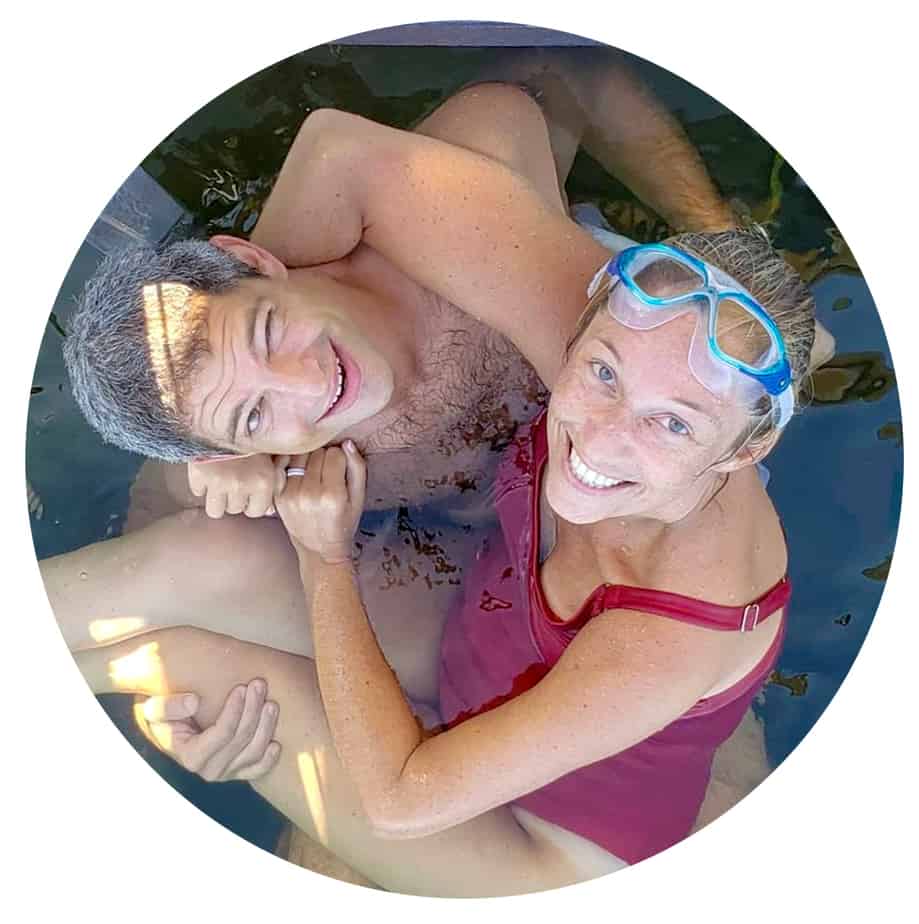 Early on, when Aaron wouldn’t open up to me, I mistakenly believed it was because he was second-guessing his decision to marry a quadriplegic. But in reality, it was I who wasn’t opening up about my feelings. I’ve become programmed to compartmentalize my feelings in order to keep everyone around me in a happy state of mind. This compartmentalization strategy does not work in a marriage.
Aaron often tells me that, while he can think of more fun things to do than help me get dressed or go to the bathroom, he fully accepted all that comes with me when we got married. I didn’t understand this in the beginning because we didn’t talk about it. I really just pushed my feelings to the side and he, in turn, just let it go. This was not healthy for either of us.
He is my partner for life and if we are going to make it work, we have to talk to one another. Caregivers will come and go, but if we both play our cards right, our relationship is forever. I do think it takes a special type of human to marry someone with a disability because for both sides there are added layers of adapting to a physically constricted-life.
3. Compassion
We don’t always get along. We bicker, we fight, but we don’t blow up at one another. I know there are moments we both want to, but we really can’t afford to do that if we are going to make this marriage work in the long run. There needs to be an intense element of compassion in any marriage, but especially in one where a partner needs caregiving, for each party to understand the hardships the other one goes through.
 While being disabled may seem like the bigger hardship, the nondisabled person also compromises quite a lot to adapt to the lifestyle of their disabled partner. For example, my severe nerve pain becomes so intense at the end of each day that I need utter kindness from my husband in order to survive my night sometimes. Aaron does that for me. In return, after he spends a long day driving around the state, I make sure he has meals in the fridge, his laundry is done, the house is clean, and finances are in order. I’m able to do this in addition to working a full-time job because I work from home.
Compassionate moments are everything. Even when I am almost asleep, when Aaron gets home, he never fails to first give me a kiss, ask me about my day and tell me how much he loves me. No matter how sleepy I am, I muster up the strength to wake up to tell him how much I appreciate him. This ties into communication, but it’s compassionate communication to keep the emotional intimacy alive.
In Conclusion …
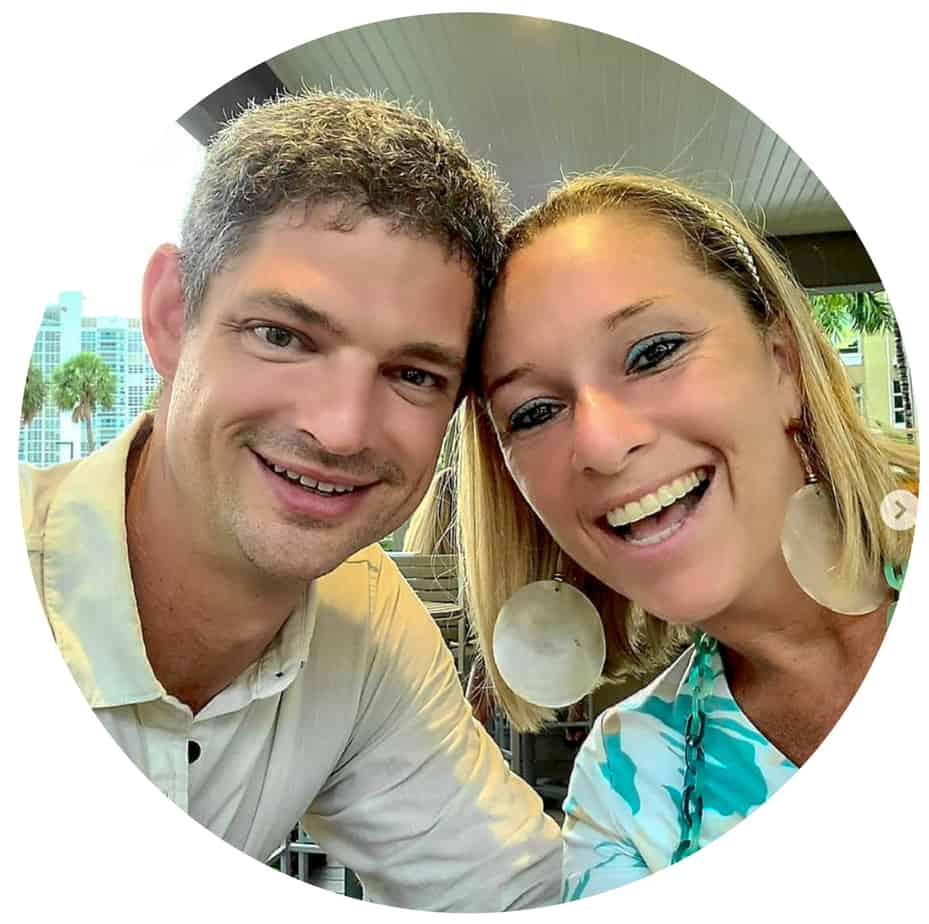 After a year of marriage, how have our expectations differed? Not much really because we are realists and had to have very matter-of-fact discussions about what it would take to make a marriage work, which I think is an essential ingredient for any couple to seriously consider about before tying the knot.
While my husband and I are fortunate to have the added benefit of a great sex life, sex usually dwindles over time as the two of you grow old and wrinkly together. It is essential to make sure your bond is deeper than just a physical one.
So, if you don’t work towards creating a solid base of emotional intimacy with each other, the ingredients to thrive in a long-term marriage, especially one with a disabled partner, may not stand the test of time.
Follow Ali on Instagram @quirkyquad_ali
Support New MobilityWait! Before you wander off to other parts of the internet, please consider supporting New Mobility. For more than three decades, New Mobility has published groundbreaking content for active wheelchair users. We share practical advice from wheelchair users across the country, review life-changing technology and demand equity in healthcare, travel and all facets of life. But none of this is cheap, easy or profitable. Your support helps us give wheelchair users the resources to build a fulfilling life. |


Recent Comments
Dick Crumb on Adapting Recreation To An Aging Body
Karen on The Everlasting Saratoga Cycle
Ted Kilroy on Handcycle Gear Guide